Endoscopist in Kanpur – Dr. Gaurav Chawla
Digestive health plays an important role in maintaining overall health and well-being. Problems such as persistent acidity, abdominal pain, difficulty swallowing, unexplained weight loss, changes in bowel habits, and gastrointestinal bleeding may indicate an underlying digestive condition that requires proper medical evaluation. In many situations, doctors recommend endoscopy to examine the digestive tract, identify the cause of symptoms, and plan appropriate treatment.
If you are searching for an experienced Endoscopist in Kanpur, Dr. Gaurav Chawla offers specialist consultation in gastroenterology, hepatology, and advanced endoscopic procedures. With qualifications including MBBS, MD in Medicine, and DM in Gastroenterology, Dr. Chawla has specialised training in diagnosing and managing conditions affecting the stomach, intestines, liver, pancreas, and biliary system.
Endoscopic procedures help doctors examine internal organs using specialised instruments equipped with cameras. Depending on the patient’s symptoms and medical condition, these procedures can help diagnose digestive disorders, collect tissue samples, remove certain growths, control bleeding, and perform selected minimally invasive treatments.
Understanding when endoscopy is required, how it works, and what to expect can help patients make informed decisions about their digestive health.
Who Is an Endoscopist?
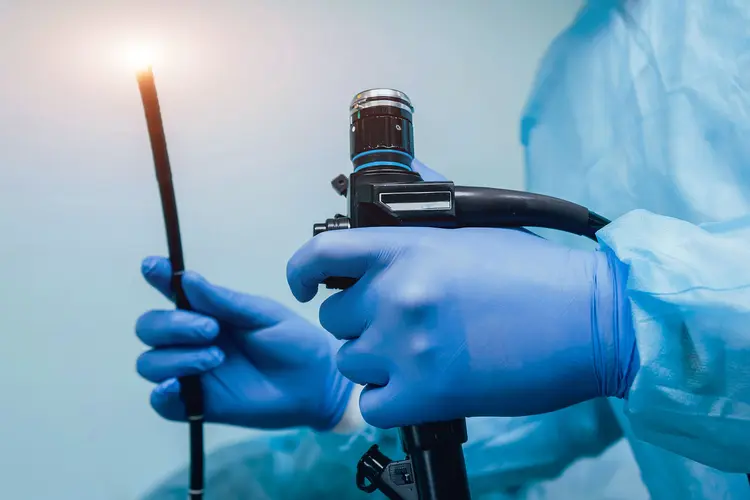
An endoscopist is a medical specialist trained to perform endoscopic procedures for examining and, when appropriate, treating conditions affecting the body’s internal organs.
In gastroenterology, an endoscopist primarily focuses on examining the gastrointestinal (GI) tract, which includes the oesophagus, stomach, small intestine, large intestine, and related digestive structures.
An endoscope is a thin, flexible medical instrument equipped with a light and camera. It allows the doctor to view the internal lining of the digestive system on a monitor without requiring conventional surgical access.
Depending on the type of endoscopy, the instrument may be introduced through the mouth or the rectum. Certain advanced procedures also use specialised ultrasound equipment, imaging systems, and therapeutic instruments.
An experienced endoscopist may perform procedures for:
- Investigating persistent stomach pain and digestive discomfort.
- Identifying ulcers, inflammation, and abnormalities in the digestive tract.
- Evaluating gastrointestinal bleeding.
- Examining the oesophagus, stomach, and intestines.
- Detecting and removing selected gastrointestinal polyps.
- Collecting tissue samples for laboratory examination.
- Investigating bile duct and pancreatic disorders.
- Performing selected minimally invasive treatments.
Endoscopy is not necessary for every digestive complaint. A gastroenterologist evaluates the patient’s symptoms, medical history, examination findings, and previous reports before recommending an appropriate investigation.
Why Consult an Endoscopist in Kanpur?
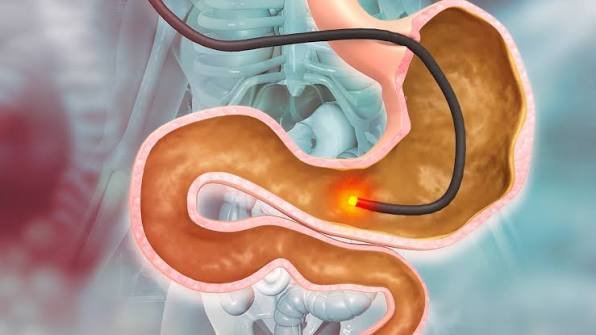
Digestive problems can affect people of different age groups. Some conditions cause occasional discomfort, while others may develop gradually and require specialist attention.
Consulting a qualified endoscopist in Kanpur can help patients access appropriate diagnostic evaluation and endoscopic care without necessarily travelling to another city.
An endoscopy specialist can assess symptoms, determine whether an endoscopic examination is appropriate, and recommend further investigations or treatment when required.
Patients may be advised to consult an endoscopist if they experience:
- Persistent acidity or frequent heartburn.
- Difficulty swallowing food or liquids.
- Recurrent abdominal pain.
- Persistent nausea or vomiting.
- Unexplained weight loss.
- Blood in vomit or stool.
- Black, tarry stools.
- Long-standing changes in bowel habits.
- Chronic diarrhoea or constipation.
- Suspected stomach or intestinal ulcers.
- Suspected gastrointestinal inflammation.
- Abnormal findings on previous imaging or medical investigations.
These symptoms do not always indicate a serious disease. However, persistent, unexplained, or worsening symptoms should be evaluated by a medical professional.
Severe abdominal pain, significant gastrointestinal bleeding, fainting, or persistent vomiting with dehydration requires urgent medical assessment.
Meet Dr. Gaurav Chawla – Gastroenterologist and Advanced Endoscopist in Kanpur

Dr. Gaurav Chawla is a consultant gastroenterologist, hepatologist, and advanced endoscopist practising in Kanpur, Uttar Pradesh. His clinical focus includes digestive disorders, liver diseases, and conditions affecting the pancreas and biliary system.
He has completed the following medical qualifications:
- MBBS: Kasturba Medical College, Manipal.
- MD (Medicine): Kasturba Medical College, Manipal.
- DM (Gastroenterology): Christian Medical College (CMC), Vellore.
Dr. Chawla received a University Gold Medal during his MD studies and recognition as Best Outgoing Student. His professional training and experience in gastroenterology support his work in the diagnosis and management of complex digestive and liver-related conditions.
His areas of specialisation include:
- Diagnostic and therapeutic endoscopy.
- Gastroscopy and colonoscopy.
- Endoscopic Ultrasound (EUS).
- ERCP for selected pancreatic and biliary conditions.
- Gastrointestinal bleeding management.
- Liver and biliary diseases.
- Inflammatory Bowel Disease (IBD).
- Pancreatic and gastrointestinal disorders.
Patients seeking an endoscopist in Kanpur can consult Dr. Gaurav Chawla for an assessment of their symptoms and guidance regarding appropriate diagnostic and therapeutic procedures.
Types of Endoscopy Procedures Available
Different endoscopic procedures are used to examine specific parts of the digestive system. The choice depends on the symptoms, suspected condition, and clinical findings.
1. Upper GI Endoscopy (Gastroscopy)
Upper gastrointestinal endoscopy, commonly known as gastroscopy, is a procedure used to examine the upper digestive tract.
During the procedure, a thin, flexible endoscope is gently passed through the mouth to examine the oesophagus, stomach, and the first part of the small intestine (duodenum).
Gastroscopy may help identify:
- Gastritis or inflammation of the stomach lining.
- Gastric and duodenal ulcers.
- Gastroesophageal reflux-related changes.
- Oesophageal inflammation.
- Causes of upper gastrointestinal bleeding.
- Certain abnormalities and growths.
- Suspected gastrointestinal cancers.
Doctors may also collect small tissue samples during the procedure for further laboratory examination.
Gastroscopy is commonly recommended for patients experiencing persistent upper abdominal discomfort, swallowing difficulties, unexplained anaemia, recurrent vomiting, or other symptoms requiring investigation.
2. Colonoscopy
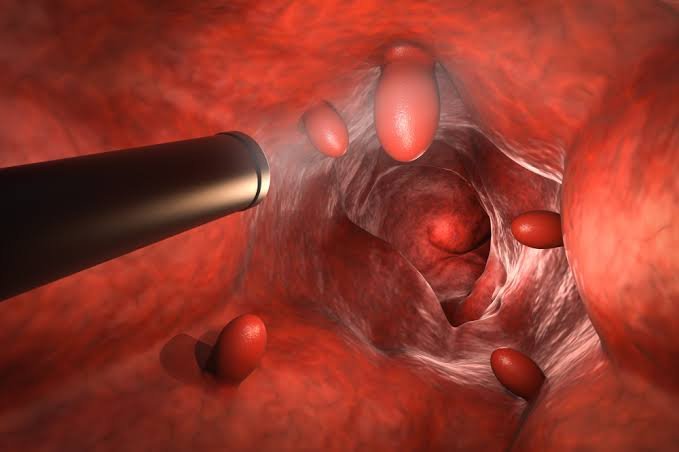
Colonoscopy is an endoscopic procedure used to examine the inner lining of the large intestine, including the colon and rectum.
A flexible instrument with a camera is introduced through the rectum to allow the doctor to examine the bowel.
A colonoscopy may be recommended to investigate:
- Persistent diarrhoea or constipation.
- Blood in the stool.
- Unexplained changes in bowel habits.
- Chronic abdominal discomfort.
- Suspected inflammatory bowel disease.
- Unexplained iron-deficiency anaemia.
- Suspected colorectal polyps.
- Certain findings requiring colorectal cancer evaluation.
One important advantage of colonoscopy is that selected polyps can be removed during the same procedure. Tissue samples may also be collected when necessary.
Proper bowel preparation is essential because the colon must be sufficiently clean for accurate examination. Patients should follow the preparation instructions provided by their treating medical team.
3. ERCP (Endoscopic Retrograde Cholangiopancreatography)
ERCP is an advanced endoscopic procedure used to diagnose and treat selected conditions affecting the bile ducts and pancreatic ducts.
The bile ducts transport bile from the liver and gallbladder towards the intestine, while pancreatic ducts carry digestive enzymes from the pancreas.
ERCP combines endoscopy with X-ray imaging to examine these duct systems.
It may be recommended for selected patients with:
- Common bile duct stones.
- Bile duct obstruction.
- Biliary strictures.
- Certain pancreatic duct disorders.
- Bile leakage.
- Selected causes of obstructive jaundice.
Depending on the clinical situation, ERCP may involve stone removal, drainage, sphincterotomy, or placement of a temporary or permanent stent.
ERCP is primarily used as a therapeutic procedure when treatment is required. It carries potential complications, including pancreatitis, bleeding, infection, and perforation. The benefits and risks should be discussed with the treating specialist.
4. Endoscopic Ultrasound (EUS)
Endoscopic Ultrasound, also known as EUS, combines endoscopy with ultrasound imaging.
A specialised endoscope with an ultrasound probe allows the doctor to obtain detailed images of structures surrounding the digestive tract.
Unlike conventional endoscopy, which primarily examines the inner surface of the digestive system, EUS can provide information about deeper tissue layers and nearby organs.
EUS may help evaluate:
- Pancreatic cysts and masses.
- Pancreatic disorders.
- Bile duct abnormalities.
- Certain gastrointestinal wall lesions.
- Enlarged lymph nodes.
- Selected abnormalities around the digestive tract.
When clinically appropriate, EUS can also guide fine-needle aspiration or biopsy to collect tissue or fluid samples.
It is an important diagnostic tool for selected pancreatic, biliary, and gastrointestinal conditions.
5. Capsule Endoscopy
Capsule endoscopy is a specialised diagnostic technique used to examine parts of the small intestine that may not be easily accessible through conventional gastroscopy or colonoscopy.
The patient swallows a small capsule containing a miniature camera. As it travels through the digestive tract, it captures images that are transmitted to a recording device.
Capsule endoscopy may be recommended for:
- Suspected small intestinal bleeding.
- Unexplained iron-deficiency anaemia.
- Selected cases of suspected Crohn’s disease.
- Certain small intestinal abnormalities.
It is generally a diagnostic procedure and does not allow the doctor to collect tissue samples or perform treatment during the examination.
6. Therapeutic Endoscopic Procedures
Modern endoscopy is not limited to identifying digestive disorders. Selected procedures can also help treat certain conditions without conventional open surgery.
Depending on the patient’s diagnosis and clinical suitability, therapeutic endoscopic procedures may include:
- Polypectomy: Removal of selected polyps from the digestive tract.
- Variceal Band Ligation: Treatment of selected enlarged veins in the oesophagus.
- Sclerotherapy: Injection-based treatment for selected bleeding lesions.
- Endoscopic Dilatation: Widening of certain narrowed sections of the digestive tract.
- Stent Placement: Placement of a specialised tube to help maintain drainage or passage.
- Foreign Body Removal: Removal of swallowed objects from the digestive tract.
- PEG Tube Placement: Placement of a feeding tube through the abdominal wall into the stomach.
The suitability of each procedure depends on the patient’s medical condition, test findings, and overall health.
Which Digestive Conditions May Require Endoscopy?
Endoscopy can play an important role in evaluating several gastrointestinal conditions. A doctor may recommend it when symptoms, examination findings, or other investigations suggest the need for direct visual assessment.
Gastroesophageal Reflux Disease (GERD)
GERD occurs when stomach contents repeatedly flow back into the oesophagus. Common symptoms include heartburn, sour taste, regurgitation, and discomfort after meals.
Endoscopy may be recommended when symptoms are persistent, alarm features are present, or complications such as oesophageal inflammation are suspected.
Gastritis and Peptic Ulcers
Gastritis refers to inflammation of the stomach lining, while peptic ulcers are open sores that may develop in the stomach or upper small intestine.
Gastroscopy can help identify these abnormalities and allow tissue sampling when needed.
Inflammatory Bowel Disease (IBD)
Inflammatory Bowel Disease includes conditions such as Crohn’s disease and ulcerative colitis.
Colonoscopy, sometimes combined with biopsy, helps evaluate intestinal inflammation and monitor disease activity.
Gastrointestinal Bleeding
Blood in vomit, black stools, or visible blood in the stool may indicate bleeding somewhere in the digestive tract.
Depending on the suspected source, doctors may recommend upper GI endoscopy, colonoscopy, or other investigations to identify the cause.
Significant or ongoing bleeding requires urgent medical attention.
Liver and Biliary Disorders
Certain liver and biliary conditions may require advanced endoscopic procedures such as ERCP or EUS.
These procedures can help investigate selected bile duct obstructions, stones, strictures, and pancreaticobiliary abnormalities.
How to Prepare for an Endoscopy?
Preparation depends on the specific procedure being performed. Following medical instructions is important for patient safety and accurate examination.
Before Upper GI Endoscopy
Patients are generally asked to avoid food and liquids for a specified period before the procedure.
The doctor should be informed about:
- Current medicines.
- Diabetes medication or insulin.
- Blood-thinning medicines.
- Drug or anaesthesia allergies.
- Existing heart or lung conditions.
- Previous reactions to sedation.
Do not stop prescribed medicines without consulting the treating doctor.
Before Colonoscopy
Colonoscopy requires bowel preparation to clear stool from the large intestine.
The preparation may include:
- Following a specific dietary plan.
- Taking prescribed bowel-cleansing medication.
- Drinking sufficient permitted fluids.
- Following instructions about fasting.
- Reviewing medication adjustments with the doctor.
Incomplete bowel preparation may affect visibility and the accuracy of the examination.
After the Procedure
Some patients may experience temporary bloating, mild abdominal discomfort, or a sore throat, depending on the type of endoscopy.
If sedation has been administered, patients may need someone to accompany them home. Driving, operating machinery, and making important decisions should be avoided for the period specified by the medical team.
Patients should immediately seek medical advice if they develop severe or worsening abdominal pain, fever, persistent vomiting, significant bleeding, or breathing difficulties after the procedure.
Is Endoscopy Safe?
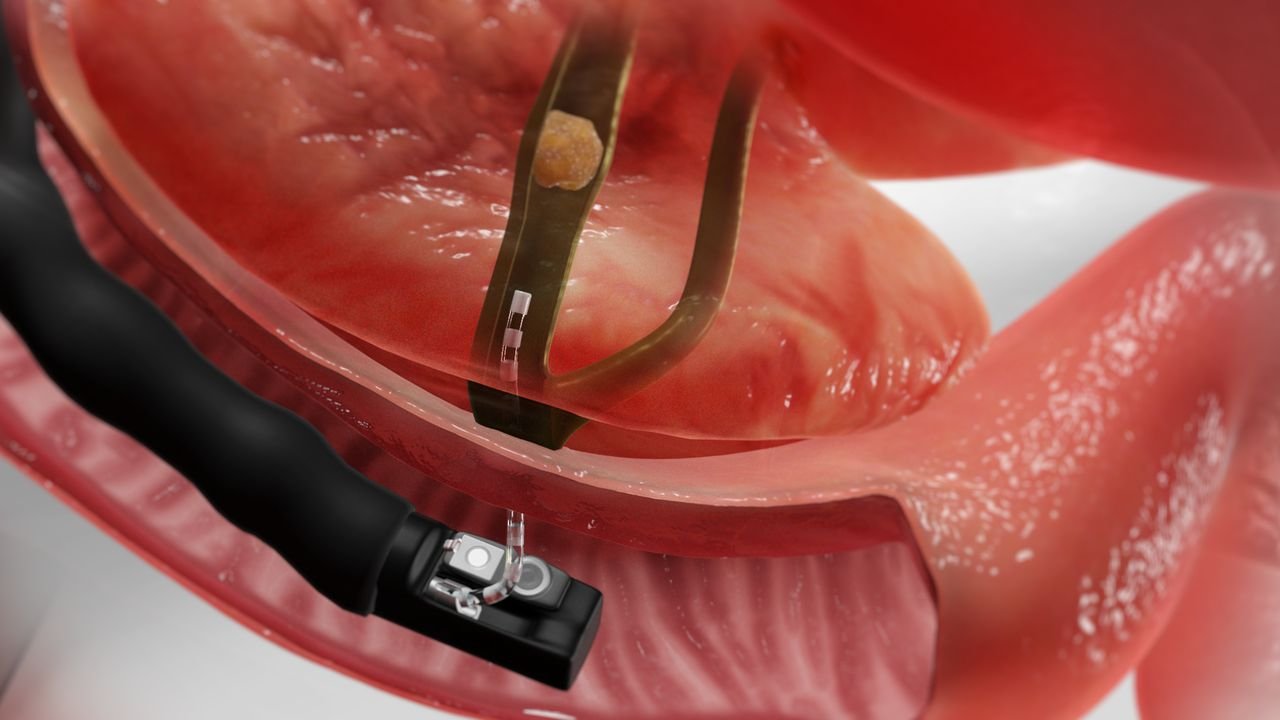
Endoscopy is widely used in modern gastroenterology and is generally considered safe when performed by appropriately trained professionals with suitable monitoring and infection-control practices.
However, like every medical procedure, it has potential risks.
Possible complications may include:
- Bleeding.
- Infection.
- Perforation of the digestive tract.
- Reactions to sedative medication.
- Pancreatitis following ERCP.
- Temporary discomfort or bloating.
The risk varies according to the procedure, patient’s health, and whether therapeutic intervention is performed.
Before an endoscopic examination, the treating doctor explains why the procedure is recommended, its expected benefits, possible risks, alternatives, and preparation requirements.
Patients should ask questions and discuss any concerns before providing informed consent.
Why Choose Dr. Gaurav Chawla as Your Endoscopist in Kanpur?
Choosing an endoscopist is an important decision because accurate diagnosis and appropriate treatment planning can make a meaningful difference in digestive healthcare.
Dr. Gaurav Chawla’s specialist training in gastroenterology and focus on advanced endoscopic procedures provide patients with access to specialist evaluation for a range of digestive and hepatobiliary conditions.
Some important aspects of his professional profile include:
Specialist Qualifications
Dr. Chawla holds MBBS, MD in Medicine, and DM in Gastroenterology qualifications. His specialist training supports the evaluation and management of gastrointestinal and liver-related conditions.
Experience in Gastroenterology
His professional experience includes the diagnosis and management of digestive disorders, liver diseases, and pancreaticobiliary conditions.
Diagnostic and Therapeutic Endoscopy
His areas of practice include gastroscopy, colonoscopy, ERCP, EUS, and selected therapeutic endoscopic procedures.
Evaluation of Complex Digestive Conditions
Patients with persistent digestive symptoms, abnormal investigation results, and suspected gastrointestinal or hepatobiliary disorders may benefit from specialist assessment.
Patient-Centred Medical Evaluation
Appropriate care involves understanding symptoms, reviewing previous medical reports, explaining investigations, and discussing suitable treatment options.
The recommended procedure is always determined by individual clinical requirements rather than a fixed approach for every patient.
Where Can You Consult Dr. Gaurav Chawla in Kanpur?
Patients looking for an endoscopist in Kanpur can contact Dr. Gaurav Chawla’s practice for information about consultations, available procedures, and appointment scheduling.
Doctor: Dr. Gaurav Chawla
Specialisation: Gastroenterology, Hepatology and Advanced Endoscopy
Qualifications: MBBS, MD (Medicine), DM (Gastroenterology)
Location: Kanpur Medical Centre, 120/500, Lajpat Nagar, Kanpur, Uttar Pradesh – 208005.
Appointment Contact:
- Phone: +91 8874304111
- Alternative contact: +91 512 2295152
Patients are advised to confirm the current consultation location, availability, and procedure arrangements before visiting.
When Should You See an Endoscopy Specialist?
You should consider consulting a gastroenterologist or endoscopy specialist if you experience digestive symptoms that persist, return frequently, or interfere with daily activities.
Some symptoms require more immediate assessment, particularly:
- Vomiting blood.
- Black, tarry stools.
- Significant rectal bleeding.
- Severe or sudden abdominal pain.
- Difficulty swallowing that is worsening.
- Unexplained and progressive weight loss.
- Persistent vomiting.
- Symptoms associated with severe weakness or fainting.
Not every patient with these symptoms will require endoscopy. The doctor determines the appropriate investigations after evaluating the patient’s condition.
Early medical assessment can help identify the cause of symptoms and prevent delays in receiving appropriate treatment.
Frequently Asked Questions About Endoscopy in Kanpur
1. Who is an endoscopist in Kanpur?
An endoscopist is a trained medical specialist who performs procedures to examine and, when appropriate, treat conditions affecting the digestive tract. Dr. Gaurav Chawla is a gastroenterologist and advanced endoscopist practising in Kanpur.
2. Who is a good endoscopist in Kanpur?
When selecting an endoscopist, patients should consider specialist qualifications, relevant procedural training, experience, available facilities, and the doctor’s approach to patient care. Dr. Gaurav Chawla holds MBBS, MD (Medicine), and DM (Gastroenterology) qualifications and provides specialist gastroenterology and endoscopy services in Kanpur.
3. What diseases can be diagnosed through endoscopy?
Endoscopy can help investigate conditions such as gastritis, peptic ulcers, oesophageal inflammation, gastrointestinal bleeding, polyps, and certain digestive tract abnormalities. Other specialised procedures can evaluate selected pancreatic and biliary conditions.
4. Is endoscopy a painful procedure?
Most diagnostic endoscopic procedures are performed with appropriate comfort measures. Depending on the procedure, local anaesthesia or sedation may be used. Patients may experience temporary discomfort, bloating, or a sore throat.
5. How long does an endoscopy take?
The duration depends on the type and complexity of the procedure. A routine upper GI endoscopy may take approximately 5–15 minutes, while colonoscopy and advanced therapeutic procedures may take longer. Additional recovery time may be required if sedation is used.
6. What is the difference between gastroscopy and colonoscopy?
Gastroscopy examines the upper digestive tract, including the oesophagus, stomach, and duodenum. Colonoscopy examines the large intestine and rectum. Both procedures use flexible instruments equipped with cameras.
7. Is fasting required before endoscopy?
Fasting is generally required before upper GI endoscopy, with the exact duration determined by the treating team. Colonoscopy requires specific bowel preparation. Patients should follow their doctor’s instructions carefully.
8. Can endoscopy detect stomach ulcers?
Yes. Upper GI endoscopy allows doctors to directly examine the stomach and duodenum and identify many ulcers. Tissue samples may be collected when necessary.
9. What is the difference between ERCP and EUS?
ERCP is primarily used to investigate and treat selected conditions affecting the bile and pancreatic ducts. EUS combines endoscopy with ultrasound to obtain detailed images of the digestive tract and surrounding structures. Both are specialised procedures with different clinical purposes.
10. When is colonoscopy recommended?
Colonoscopy may be recommended for unexplained rectal bleeding, persistent changes in bowel habits, chronic diarrhoea, suspected inflammatory bowel disease, unexplained anaemia, or colorectal cancer screening based on age and individual risk.
11. Does every patient with acidity need endoscopy?
No. Most people with occasional acidity do not require endoscopy. A doctor may recommend it when symptoms persist despite appropriate treatment, alarm symptoms are present, or another digestive condition is suspected.
12. How can I book an appointment with Dr. Gaurav Chawla?
You can contact Dr. Gaurav Chawla’s practice using the published appointment contact number, +91 8874304111, to enquire about consultation timings, availability, and endoscopic procedures.
Endoscopy is an important part of modern gastroenterology, helping doctors investigate digestive symptoms, identify abnormalities, and perform selected minimally invasive treatments.
Choosing an appropriately trained specialist is important for accurate evaluation, suitable procedure selection, and proper follow-up care.
If you are searching for an Endoscopist in Kanpur, Dr. Gaurav Chawla offers specialist consultation in gastroenterology, hepatology, and advanced endoscopic procedures, including gastroscopy, colonoscopy, ERCP, and Endoscopic Ultrasound.
Whether you are experiencing persistent digestive discomfort or have been advised to undergo an endoscopic examination, seeking a professional medical assessment is an important step towards better digestive health.
Consult Dr. Gaurav Chawla in Kanpur to discuss your digestive health concerns and understand the most appropriate diagnostic and treatment options for your condition.
Medical disclaimer: This article is intended for general educational purposes and should not replace professional medical consultation, diagnosis, or treatment. The need for endoscopy and the choice of procedure must be determined by a qualified medical professional after individual assessment.
